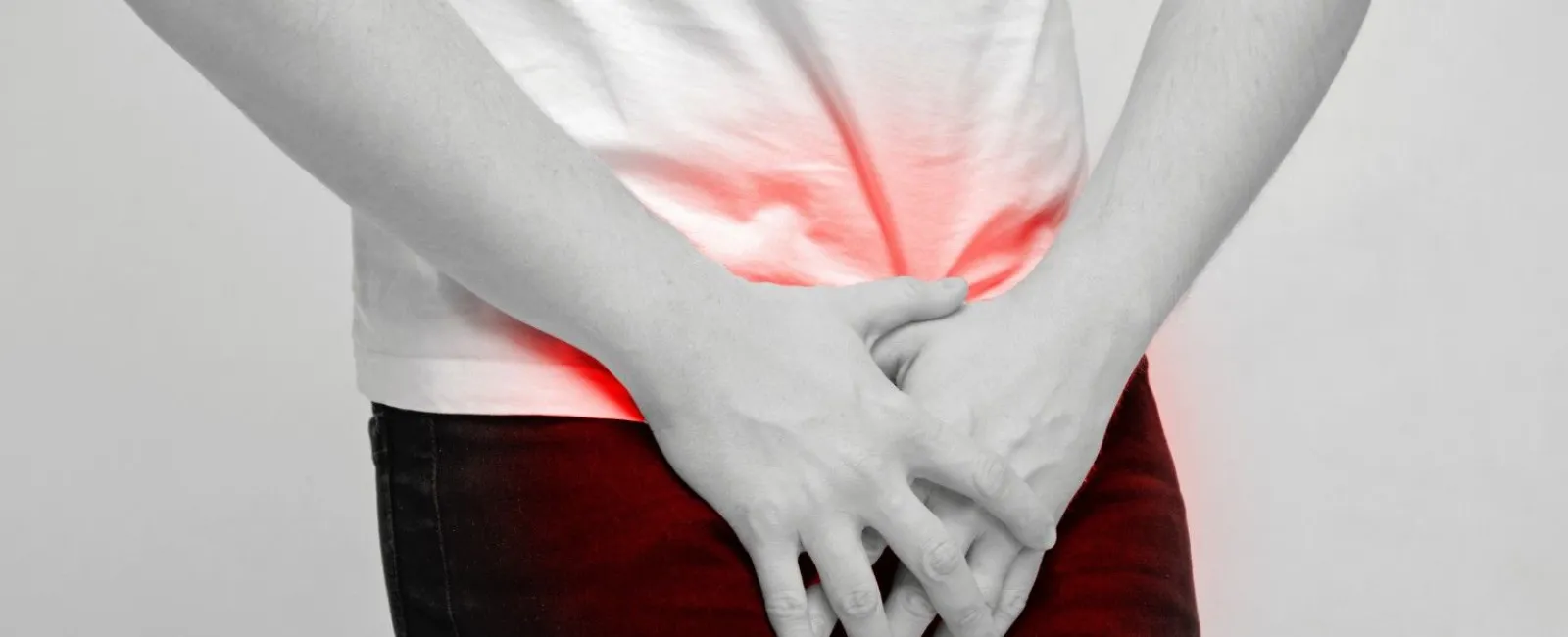
What is BPH?
BPH stands for benign prostatic hyperplasia, which is a non
cancerous growth of the prostate gland. The prostate sits just below the
bladder and wraps around the urethra, the tube that carries urine out of the
body. As many men age, hormonal shifts cause the prostate to grow, and that
growth can squeeze the urethra and create urinary problems.
Common BPH
symptoms include a weaker stream, trouble starting urination, dribbling
after you think you are done, sudden urges to go, and waking up several times a
night to urinate. Some men also feel like the bladder is never quite empty
after a trip to the restroom. These changes can creep in slowly, which is why a
lot of men adapt without realizing how much their daily life has shifted around
their bathroom habits. By the time they bring it up with a doctor, the urinary
symptoms have usually been going on for months or years.
Can an Enlarged Prostate Cause ED?
Yes, an enlarged prostate can contribute to erectile
dysfunction in several ways. The prostate itself does not control
erections, but BPH and ED share a lot of overlapping ground. Both become more
common with age, and both are linked to the same underlying issues, like
cardiovascular health, diabetes, and chronic stress.
There is also a more direct connection. The nerves and blood vessels that support erections run very close to the prostate, so changes in prostate size and inflammation can affect how those signals travel. Sleep loss from nighttime urination, anxiety about urinary symptoms, and the physical discomfort of severe BPH can all chip away at sexual function too.
The short answer is yes, BPH can cause ED, and once they overlap, each tends to amplify the other.
How BPH Can Change a Man's Sex Life
The sexual effects of BPH show up in different forms. Some
men notice one of these changes. Some notice several. None of them mean
something is permanently wrong, but they do deserve attention.
Several patterns show up most often:
• Ejaculation
changes, including smaller volume, less force, or some discomfort during or
after climax
• Lower
libido, often tied to fatigue from broken
sleep caused by frequent nighttime urination
• Erection
difficulties, including trouble
getting or keeping an erection firm enough for sex
• Painful
or uncomfortable sensations during sex when the prostate is irritated or
inflamed
• Sexual
side effects from BPH medications, which is a common reason men switch
treatment plans after a conversation with their urologist
These overlap a lot with general signs of erectile
dysfunction, so it is easy to assume the issue is purely ED when BPH is
actually a contributor. That is why an evaluation should look at the urinary
and sexual picture together rather than treating them as separate problems.
The stress factor also matters. Men with significant BPH
symptoms often deal with poor sleep, frequent urgency, and concern about leaks
or accidents. Over time, that mental load alone can lower libido and affect
performance, even before any physical mechanism is involved. Treating the BPH
side of the equation often improves the whole picture.
When to See a Urologist About Sexual Symptoms
If sexual changes are bothering you, that alone is reason
enough to see a urologist. You do not need to wait until things are severe. A
few situations call for a faster appointment: blood in the urine or
semen, pain that does not go away, sudden inability to urinate, or ED that
started suddenly, along with worsening urinary symptoms. Any of these deserves a
same week visit.
For most men, the timing is less urgent but the conversation
is still worth having. A urologist can sort out how much of what you are
feeling traces back to BPH, how much is independent ED, and what evaluation
makes sense next. Bringing it up early usually means more treatment options and
a clearer plan, not fewer.
How Advanced Urology Evaluates BPH and Sexual Concerns Together
At Advanced Urology, BPH and sexual health are part of the
same conversation. An initial visit usually involves a discussion of your
symptoms, a review of any medications you take, and basic testing to understand
how much your prostate is affecting your urinary flow and your overall comfort.
From there, your urologist talks through the options that
fit your situation. Some men do well with lifestyle adjustments and watchful
follow-up. Others benefit from medications or in-office
procedures designed to ease BPH symptoms. When sexual side effects are part
of the picture, the team looks at treatment paths that respect both goals, not
just one.
You do not have to live with changes that are affecting your
sex life, your sleep, or your confidence. A focused evaluation can give you
clear answers and a plan that fits, and many men feel real relief once they
understand what is actually driving their symptoms and start treating them
directly.
To talk with a urologist at Advanced Urology, call or schedule a visit online at any of our Atlanta area locations. The first
conversation can answer more than you might expect.