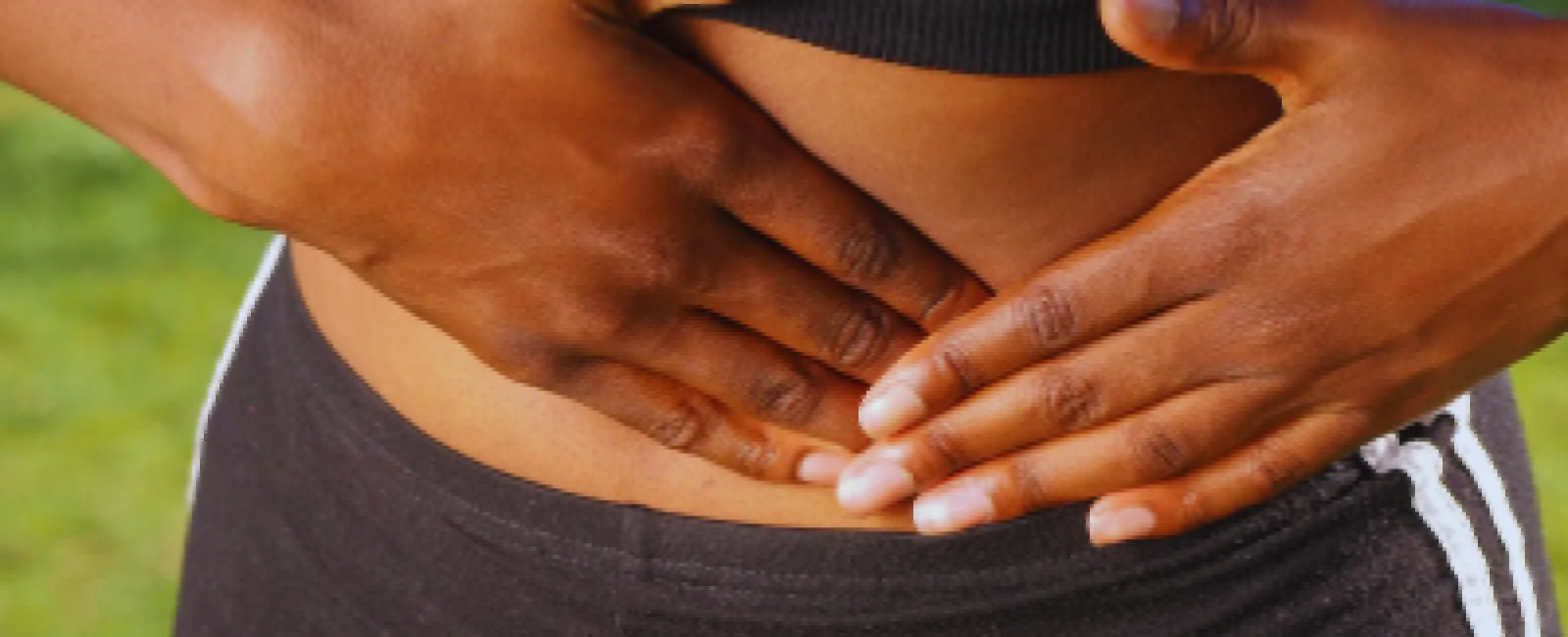
Lower abdominal pain in females is one of the most common complaints
urologists and healthcare providers hear. Whether it is a sharp cramp, a dull
ache, or a persistent pressure low in the belly, this type of discomfort can
stem from a wide range of conditions. Some are temporary and easy to resolve.
Others require professional evaluation and treatment.
At Advanced Urology, we treat many women who come to us wondering why
they are experiencing lower abdominal pain, what is causing it, and what they
can do about it. Understanding the most common causes is the first step toward
finding relief.
Urinary Tract Infections (UTIs)
One of the most frequent causes of lower abdominal pain in females is a
urinary tract infection. UTIs occur when bacteria enter the urinary system and
travel to the bladder or beyond. Women are significantly more likely to develop
UTIs than men due to the shorter length of the female urethra, which makes it
easier for bacteria to reach the bladder.
Beyond the familiar burning sensation during urination, UTIs commonly
cause pressure and cramping in the lower abdomen, a frequent and urgent need to
urinate, and cloudy or strong-smelling urine. If left untreated, a bladder
infection can travel to the kidneys, turning a manageable condition into a more
serious health concern.
At Advanced Urology, we treat UTIs and recurrent UTIs regularly. If you find yourself
dealing with infections that keep coming back, our team can help identify the
underlying cause and create a plan to break the cycle.
Interstitial Cystitis (Painful Bladder Syndrome)
Interstitial cystitis, also known as painful bladder syndrome, is a
chronic condition in which the bladder lining becomes inflamed and easily
irritated. It affects women far more often than men and is frequently mistaken
for a UTI because the symptoms overlap significantly.
Women with interstitial cystitis often experience persistent lower
abdominal pain or pelvic pressure, an urgent and frequent need to urinate, and
pain that worsens as the bladder fills and improves after urination. The pain
can range from mild discomfort to severe, ongoing pain that interferes with
daily activities.
Because interstitial cystitis is often under-recognized, many women
go years without a proper diagnosis.
Kidney Stones
Kidney stones form when minerals in the urine crystallize and build up in
the kidneys. As a stone moves through the urinary tract, it can cause
significant pain. While many people associate kidney stone pain with the back
or side, the discomfort can radiate downward into the lower abdomen and groin
as the stone travels toward the bladder.
This pain often comes in waves and can be accompanied by nausea, blood in
the urine, or a frequent urge to urinate. Smaller stones may pass on their own
with adequate hydration, but larger stones may require intervention such as
medications to help pass or dissolve stones, or procedures to remove the
stones.
Overactive Bladder
Overactive bladder (OAB) is a condition that causes sudden, difficult-to-control urges to urinate, often accompanied by frequent urination throughout the day and night. While it is not always associated with pain, some women with
OAB experience lower abdominal discomfort or pressure related to bladder spasms
and urgency.
OAB can develop due to hormonal changes, childbirth, aging, or weakened
pelvic floor muscles. It is one of the most common urological conditions
affecting women, and it is highly treatable.
Our team offers a range of options for managing overactive bladder, from lifestyle modifications and
medications to advanced procedures such as Sacral Nerve Stimulation, Tibial Neuromodulation, and Magnetic Pelvic Floor
Therapy.
Pelvic Organ Prolapse
Pelvic organ prolapse occurs when the muscles and tissues supporting the
pelvic organs weaken, allowing the bladder, uterus, or rectum to shift out of
their normal position. This condition is most common after childbirth but can
also develop as a result of aging, hormonal changes, or chronic pressure on the
pelvic floor.
Women with pelvic organ prolapse often describe a feeling of heaviness or
pressure in the lower abdomen and pelvic region. Some experience lower left
abdominal pain or a general sense of fullness in the pelvis. Urinary symptoms
such as leakage or difficulty emptying the bladder are also common.
Urinary Incontinence and Pelvic Floor Dysfunction
Urinary leakage and pelvic floor dysfunction are closely connected. When
the pelvic floor muscles are weakened or overactive, women may experience lower
abdominal discomfort alongside urinary incontinence, urgency, or difficulty controlling
the bladder.
Pelvic floor dysfunction can result from pregnancy, childbirth, weight
changes, hormonal shifts during menopause, or prior pelvic surgeries. Many
women assume these symptoms are simply a normal part of aging or motherhood,
but they are not something you have to accept.
Magnetic Pelvic Floor
Therapy is a non-invasive,
FDA-cleared treatment available at Advanced Urology that helps strengthen the
pelvic floor muscles without surgery or downtime. It is an excellent option for
women dealing with both urinary leakage and associated pelvic discomfort.
When Should You See a Urologist?
Not all lower abdominal pain requires an emergency room visit, but
certain symptoms should prompt you to seek professional care promptly. Contact
Advanced Urology if you are experiencing:
- Lower abdominal pain that has
lasted more than a few days
- Burning, urgency, or frequency
with urination alongside pelvic discomfort
- Blood in the urine
- Pain that worsens with bladder
filling and improves after urination
- Recurring urinary tract
infections
- Lower abdominal pressure combined
with urinary leakage or incontinence
- Symptoms that are affecting your
quality of life or daily activities
Seek immediate care if lower abdominal pain is sudden and severe,
accompanied by fever and chills, or associated with an inability to urinate.
Expert Urological Care for Women in Atlanta
At Advanced Urology, we specialize in diagnosing and treating the full
range of women's urological health conditions, from recurrent UTIs and kidney
stones to interstitial cystitis, overactive bladder, pelvic organ prolapse, and
incontinence. Our board-certified specialists take a thorough, patient-centered
approach to understanding your symptoms and finding the right treatment path. With
multiple locations across the Atlanta area, getting expert care is more
accessible than you might think.
Schedule an appointment with Advanced Urology today and take the first step toward feeling better.