Vanquish is designed for men seeking a minimally invasive, outpatient option for the ablation of targeted prostate tissue. Your physician will determine whether Vanquish is appropriate based on your PSA levels, MRI findings, biopsy results, and overall health. Vanquish may be considered for men who:
Vanquish® Water Vapor Ablation System

What Is Water Vapor Ablation?
Vanquish is a minimally invasive, transurethral treatment that uses water vapor (steam) to ablate targeted prostate tissue. A thin, needle-shaped catheter is deployed from the device and advanced to the targeted area, where short, precise bursts of steam destroy the tissue within the treatment zone. Additional steam may be delivered to the surrounding margin to help ensure full ablation of the targeted tissue.
Vanquish is performed through the urethra, so there are no incisions. The procedure is performed in an outpatient setting at an ambulatory surgery center (ASC) or hospital outpatient department, and most men go home the same day. Vanquish is designed to treat prostate tissue in a targeted way, which helps preserve surrounding healthy tissue and keeps other treatment options open for the future, if needed.
How Does Vanquish Water Vapor Ablation Work?
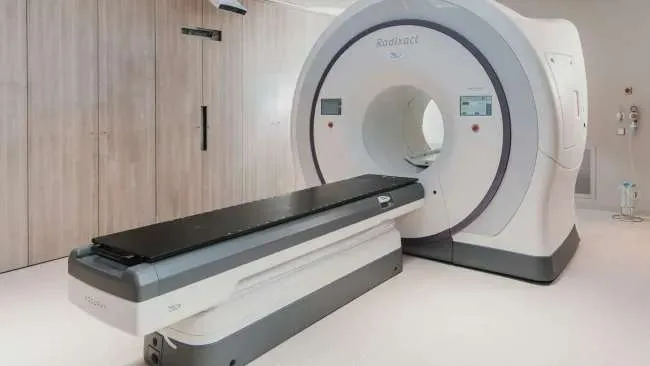
Vanquish works by delivering short bursts of steam to precisely ablate targeted prostate tissue. Here is what you can expect throughout the Vanquish treatment process.




Who Is a Candidate for Water Vapor Ablation?
Have been diagnosed with intermediate-risk prostate cancer and want a targeted, tissue-preserving treatment option
Are seeking a minimally invasive, outpatient alternative to more aggressive surgical or radiation-based treatments
Want to preserve the option for future prostate procedures, if they ever become necessary
Prefer a treatment with minimal impact on daily activities during recovery
Are looking for an MRI-guided, precise approach that treats targeted prostate tissue while preserving surrounding healthy tissue
Are looking for an MRI-guided, precise approach that treats targeted prostate tissue while preserving surrounding healthy tissue




What Are the Side Effects of Vanquish?
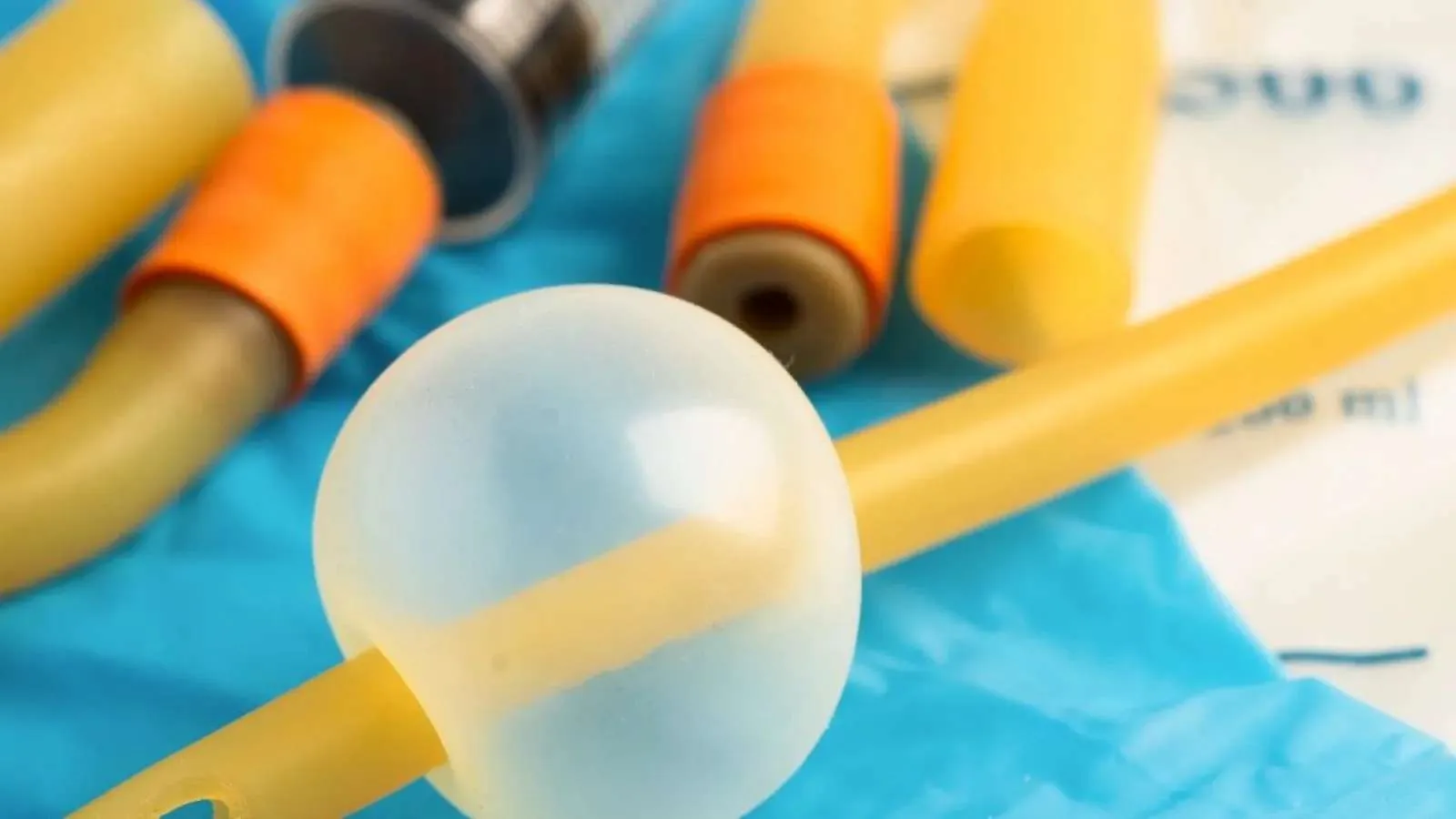
Because Vanquish is a minimally invasive, transurethral procedure performed in an outpatient setting, most men experience a straightforward recovery. In the VAPOR 2 clinical study, the majority of patients reported no pain, and most side effects were minor and resolved within a few days. Below are the most common things to expect during recovery.

Is Vanquish® Right for You?
At Atlanta Prostate Center, our physicians review your imaging, PSA levels, and overall health to determine whether Vanquish is an appropriate option for you. Vanquish is a newer, tissue-preserving approach that can be a strong fit for men who want a minimally invasive alternative to more aggressive procedures.
The Vanquish Water Vapor Ablation System has been cleared as a tool for the thermal ablation of targeted prostate tissue via a transurethral approach. The FDA has not evaluated the Vanquish System for the treatment of any disease, including prostate cancer, or evaluated the Vanquish System for any long-term prostate cancer treatment outcomes.
Frequently Asked Questions About Water Vapor Ablation
Q What Is Vanquish Used For?
A
Vanquish is a Water Vapor Ablation System cleared as a tool for the thermal ablation of targeted prostate tissue via a transurethral approach. The procedure uses short bursts of steam, delivered through a needle-shaped catheter, to ablate a defined area of prostate tissue while preserving surrounding healthy tissue. It is performed on an outpatient basis, so most men go home the same day.
Q How Does the Vanquish Procedure Work?
A
The Vanquish device is inserted into the urethra and advanced to the prostate. A small, needle-shaped catheter is then deployed from the device and moved to the targeted tissue. The physician uses MRI imaging combined with live ultrasound to deliver multiple short treatments of water vapor that destroy the tissue within the target location. Steam may also be delivered to the margin around the targeted tissue to help ensure full ablation.
Q How Long Is Recovery After Vanquish?
A
Vanquish is an outpatient procedure, and most patients go home within 1-3 hours after the procedure once their physician clears them for discharge. A catheter remains in place for a few days to support healing, and most side effects resolve within a few days. Patients report minimal impact on daily activities during recovery, though your physician will give you specific guidance based on your individual care plan.
Q Is Vanquish Covered by Insurance or Medicare?
A
As a newer treatment option for the ablation of targeted prostate tissue, coverage and payment are still being established with insurance companies. Medicare covers procedures that are considered reasonable and medically necessary; however, health plans determine coverage and medical necessity on a case-by-case basis. We recommend obtaining prior authorization or predetermination when available, and our team can help you understand your options.